
The Veron Company Blog
Welcome to the Veron Company Blog—your trusted resource for expert insights, seasonal tips, and inspiration for Massachusetts residential and commercial landscapes. From custom outdoor living designs and premium mulch, soil, and stone solutions to lawn care secrets and sustainable irrigation, our posts guide you through every step of creating and maintaining stunning, functional outdoor spaces. Stay updated with practical advice and project ideas tailored to New England’s unique climate—explore, learn, and transform your property with confidence.

Lawn Fertilization Programs in Massachusetts
Lawn Fertilization Programs in Massachusetts Custom Approaches to Fertilization Planning Every lawn presents unique features that call for tailored fertilization methods. Teams examine soil conditions, grass types, sun exposure, and traffic patterns before applications begin. The focus centers on matching nutrient delivery to site demands [...]

Spring Sprinkler Activation in Massachusetts
Spring Sprinkler Activation in Massachusetts Spring Into Green: Sprinkler Activation Services in Massachusetts Properties in Massachusetts gain real advantages when sprinkler activation receives focused attention from professionals. Lawns and plantings stay healthy through dry summer periods with consistent water delivery that matches exact needs. Water [...]

Designing Commercial Landscapes Across Massachusetts
Designing Commercial Landscapes Across Massachusetts The Value Landscape Design Brings to Commercial Properties Business and commercial properties in Massachusetts gain real advantages when landscape design receives focused attention from professionals. Properties stand out with improved curb appeal that draws visitors and clients right away. Employees [...]

Dreamy Outdoor Havens Created Just for You
Summer is calling, and there’s no better way to answer than by creating a custom outdoor space that reflects your style and enhances your lifestyle. At The Veron Company, we specialize in turning backyards, patios, and gardens into personalized retreats with our expert hardscape and [...]

Sizzling Summer Yards with Mulch, Soil, Stone
Summer’s here, and it’s the perfect time to refresh your outdoor spaces with vibrant landscapes that thrive under the sun. At The Veron Company, we’re passionate about helping you create stunning, sustainable yards using high-quality mulch, soil, and stone. Whether you’re a homeowner aiming for [...]
Summer Lawn Glow with The Veron Company
Summer is here, and your lawn is ready to steal the spotlight. With warm days and vibrant nights, your yard deserves to shine as the backdrop for barbecues, playdates, and lazy afternoons. At The Veron Company, we’re passionate about turning your lawn into a lush, [...]
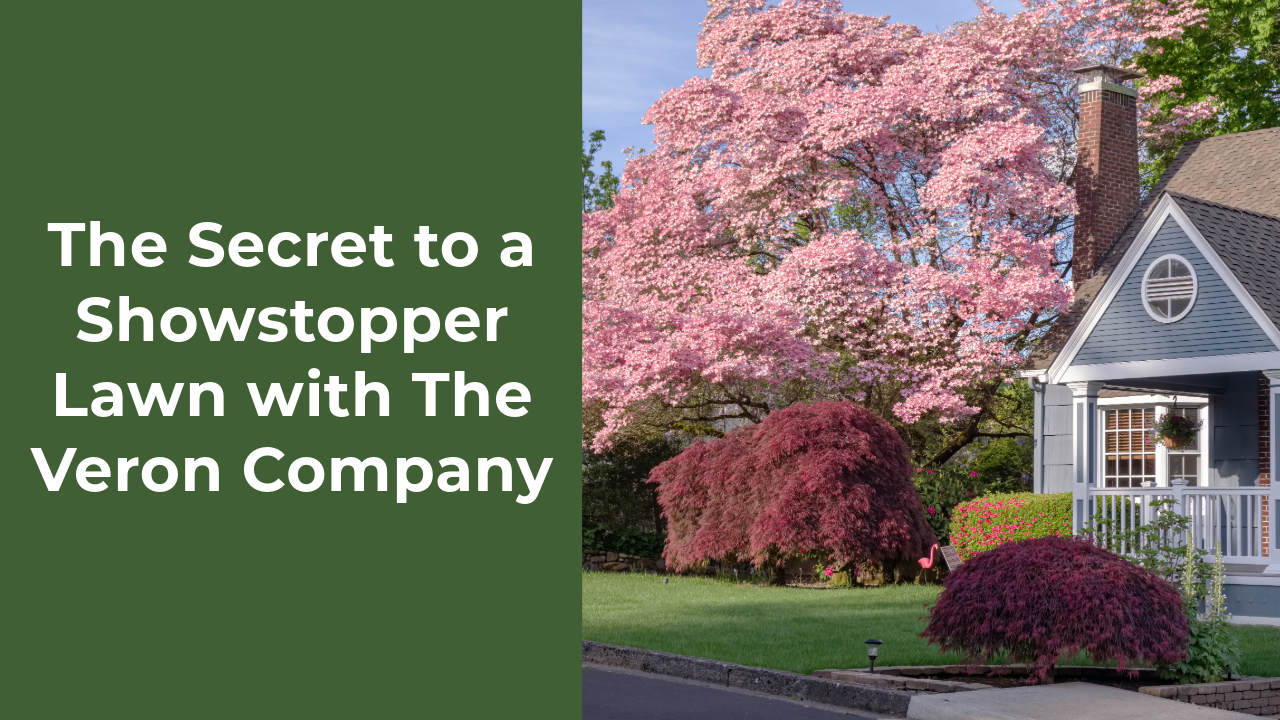
The Secret to a Showstopper Lawn with The Veron Company
Imagine stepping outside to a lawn so lush and vibrant it feels like a scene from a magazine. At The Veron Company, we don’t just dream about perfect lawns—we create them. Our expert lawn care services are the key to unlocking your yard’s full potential, [...]

Revitalize Your Lawn with these Essential Spring Care Tips
As the temperatures rise, spring is the perfect time to turn your attention to your lawn. A healthy lawn is not just visually appealing; it also enhances the value of your home and provides a great outdoor space for relaxation and recreation. With proper care, [...]

Creating Your Dream Outdoor Living Space with The Veron Company
Transforming your backyard into a beautiful and functional retreat is an exciting journey, and The Veron Company is here to assist you every step of the way. With our expertise in landscaping, mulch delivery, pest control, and seasonal maintenance, your dream outdoor living space can [...]
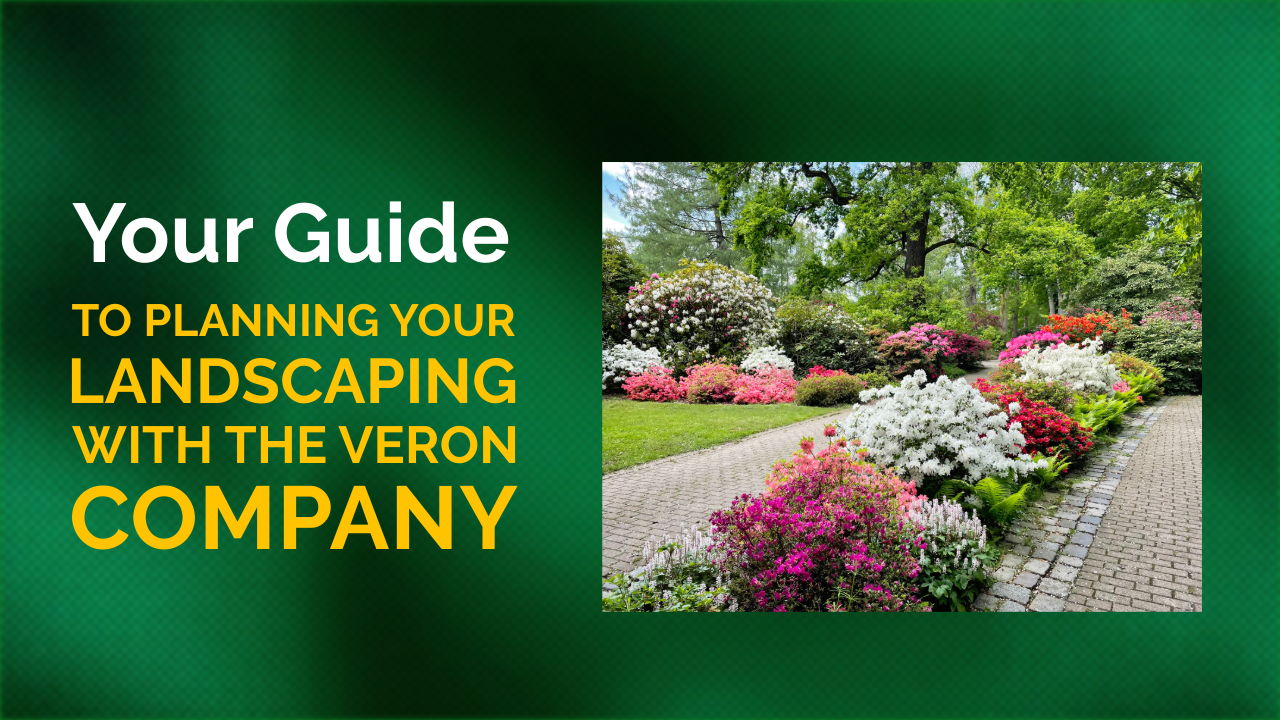
Your Guide to Planning Your Landscaping with The Veron Company
As winter comes to an end and nature begins to awaken, the anticipation of spring can be invigorating. Many homeowners eagerly anticipate the blooming flowers, vibrant greenery, and the chance to beautify their outdoor spaces. This year, why not take proactive steps and start planning [...]

Turn Your Backyard Dreams into Reality with The Veron Company
Is your backyard a blank canvas waiting to be transformed? At The Veron Company, we specialize in designing and building outdoor living spaces that reflect your personality and meet your lifestyle needs. From cozy retreats to vibrant entertainment areas, we're committed to making your [...]

Create Your Perfect Outdoor Oasis with The Veron Company
Are you dreaming of an outdoor oasis where you can relax, entertain, and soak up nature? At The Veron Company, we specialize in bringing those dreams to life. With our extensive experience and commitment to quality, we guide you through every phase of designing and [...]

Dream Big: Design Your Ideal Outdoor Living Space Today
When it comes to creating the ideal outdoor living space, the possibilities are as endless as your dreams. At The Veron Company, we believe that outside can be just as comfortable and inviting as your home’s interior. With over 40 years of experience, we are [...]
Autumn Awaits: Fall Landscaping Services by The Veron Company
As summer fades and autumn bursts forth with a tapestry of colors, it’s the perfect time to refresh your landscape and prepare for the months ahead. At The Veron Company, we understand the beauty and opportunity that fall presents. Our specialized fall landscaping services are [...]

Planning Ahead: Your Perfect Landscape with The Veron Company
When the chill of winter finally fades and the vibrant colors of spring begin to emerge, many of us are daydreaming about the beauty of our outdoor spaces. Flowers blooming, fresh greenery sprouting, and your landscape bursting with life—spring is closer than you think! It’s [...]

Your Guide to Landscaping Services with The Veron Company
When the winter finally bids farewell and the first hints of spring appear, it’s time to start working on your outdoor spaces. The arrival of warmer weather brings renewed opportunity to enhance your yard, and planning ahead can make all the difference. With the right [...]

Welcome to The Veron Company – Your Holiday Lighting Experts
Welcome to The Veron Company - Your Holiday Lighting Experts! At The Veron Company, we believe that the holiday season is a time of joy and celebration. Our mission is to turn your home or business into a winter wonderland that brings smiles to faces [...]

Creating Cozy Outdoor Spaces: The Veron Company’s Winter Preparation Guide
As the temperatures drop and the first hint of snowfall appears, it’s essential to turn our attention to the outdoor spaces we cherish. Winter doesn’t have to be a dreary time for your landscape. At The Veron Company, we believe in making your outdoors just [...]

Revitalize This Fall with The Veron Company
As the leaves begin to turn vibrant shades of orange, red, and yellow, it’s the perfect time to think about your landscape. Fall is not just about pumpkin spice and cozy sweaters; it’s also a season that brings a unique opportunity to enhance your outdoor [...]

Fall into a Flourishing Landscape: Your Essential Guide to Autumn Lawn Care
As the golden hues of September settle in, and the air begins to carry the crispness of autumn, it's time to embrace the many changes this season brings. From back-to-school adventures to cozy pumpkin-spice treats, fall offers a unique charm that sets the stage for [...]
Let The Veron Company Illuminate Your Holidays
As the holiday season approaches, the anticipation of festive cheer and celebration fills the air. Whether you’re dreaming of cozy nights at home or planning a grand event, holiday lighting can set the perfect mood. The Veron Company is your go-to partner for creating enchanting [...]

Transform Your Outdoor Oasis: The Art of Hardscaping with The Veron Company
When it comes to enhancing your property, the beauty of hardscaping can’t be understated. From elegant pathways to striking patios, hardscapes offer functionality and style, creating an inviting outdoor environment that complements your landscaping. At The Veron Company, we understand that hardscapes are crucial in [...]

Fall into an Outdoor Living Adventure: Top 5 Landscaping Services to Prioritize Now
As the leaves begin to change and the air turns crisp, it’s time to embrace the beauty of outdoor living. With stunning landscapes, gorgeous stonework, and careful fall cleanups, this season presents the perfect opportunity to enhance your outdoor space. To help you prepare for [...]

Discover The Veron Company: Where Outdoor Living Meets Luxury
Are you looking to transform your outdoor living space into a luxurious oasis? Look no further than The Veron Company! With over 40 years of experience in Metrowest, Massachusetts, our team is dedicated to enhancing residential and commercial properties with our wide range of services. [...]
